Have you thought about improving the energy efficiency of your home, renovating the kitchen or bathroom, or installing underfloor heating? Carrying out a renovation in our home is an opportunity to enhance quality of life and comfort. One aspect to consider is whether a work permit is needed for what we intend to do. In this post, we examine the types of works for which a permit is not necessary.
What is a work permit, and what types exist?
To know whether you’ll need a permit or not, it’s important to understand that there are two types of work permits:
– Major work permit. This is required for large-scale works where heavy machinery is needed, and interventions are made to the building’s structure. For example, it is required for modifications to load-bearing walls or internal layout changes.
– Minor work permit. This can be defined as an authorisation granted by the local council, which can be requested by individuals and companies, to carry out small-scale works that do not require heavy machinery.
Generally, this refers to works that do not affect the building’s structure or common elements (roof, entrance, etc.), do not involve removing walls, and do not affect the façade.
Depending on the type of work you wish to carry out, a major work permit or a minor work permit will be necessary.
It is important to consult the relevant council. For example, at the Barcelona City Council, the Preliminary Consultation procedure is mandatory to determine the type of permit needed. The types of intervention schemes in the city are as follows:
– Notification (for minor works)
– Urgent procedure.
– Immediate notification.
– Deferred notification.
– Permit.
Types of works that do not require a permit
Before starting any work, it is important to carefully consider whether a permit is needed. In general, there are certain types of works where no work permit is required. Below, we describe some of the main renovations that do not require authorisation:
1. Interior painting
One of the most common interventions in homes that does not require a permit is painting the interior walls.
It is quite common to periodically paint the walls of rooms, ceilings, or any area within the home. This does not alter the structure or use of the space, so no permit is needed.
The same applies when removing textured finishes and smoothing walls with plaster.
2. Changing floors or tiled walls
Changing floors, which may involve installing new materials such as parquet, laminate flooring, ceramic tiles, or carpeting, also does not require a permit. The same applies to tiled walls in bathrooms or kitchens.
However, it is important not to alter the floor structure or carry out works that affect the building’s common elements.
If you decide to sand and varnish parquet flooring to remove damage and level the surface, you will not need a permit either.
3. Renovation of electrical and plumbing installations
Electrical and water installations also need to be updated from time to time. If it involves small-scale renovations or repairs to electrical and plumbing installations, such as changing sockets, taps, or replacing a section of piping, these are usually exempt from work permits.
However, it’s important to consider that if it involves a full refurbishment of the installation system, a permit may be required. Therefore, it’s always advisable to consult a professional and the relevant local council.
4. Replacing kitchen or bathroom furniture
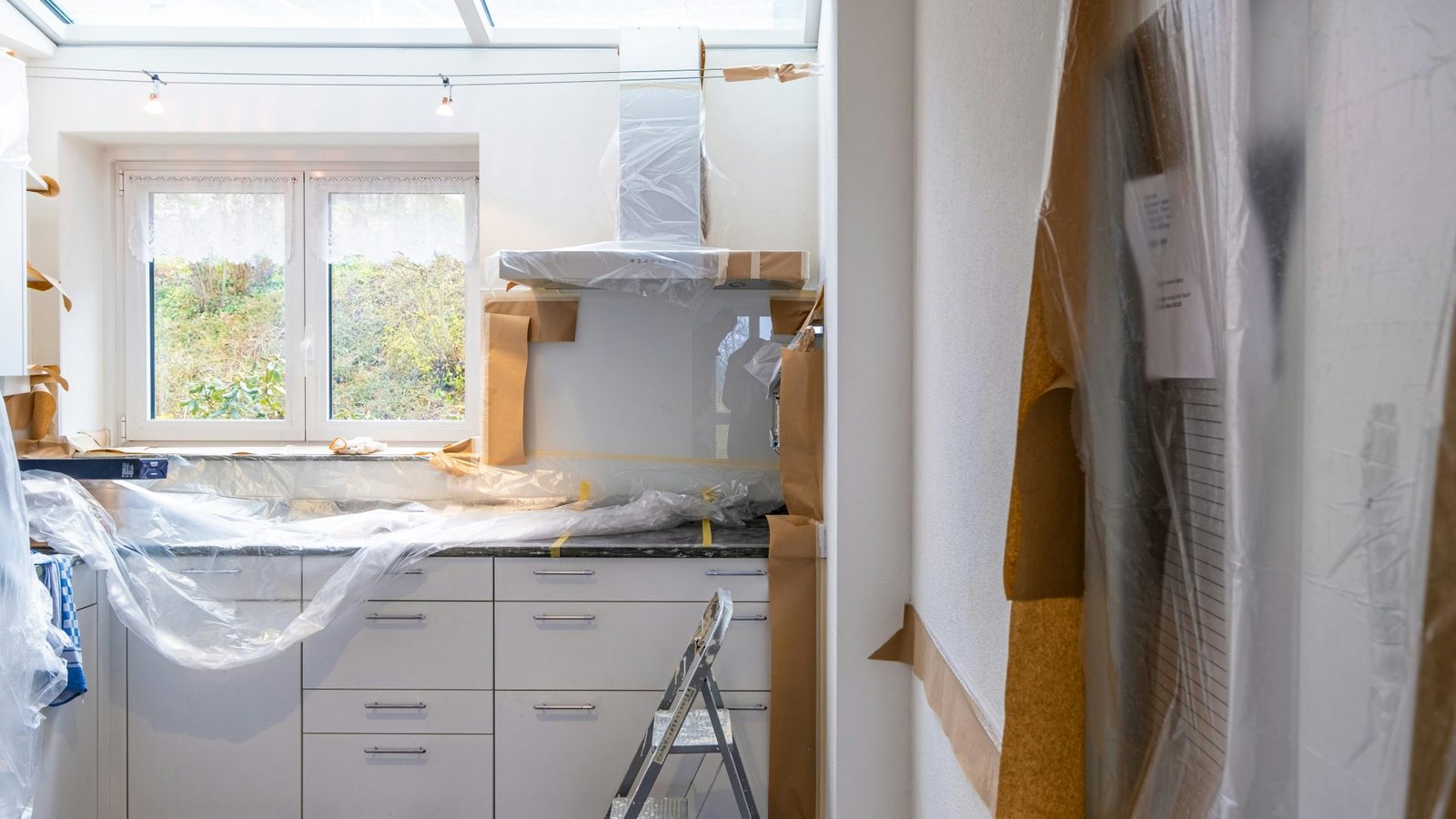
Over time, kitchen or bathroom furniture can look old, worn out, and outdated, so it’s common to replace it. This usually involves replacing cupboards, countertops, sinks, shower trays, bathtubs, or washbasins.
This type of work is limited to the replacement of existing items with new ones, without altering the interior layout or affecting the structure of the home.
5. Minor repairs
Homes require continuous maintenance, so it’s common to make minor repairs to fix a door or window that doesn’t close properly, a fitted wardrobe, or other small interventions to keep the home in good condition.
In this regard, it’s important to consider Article 9.1(b) of the Horizontal Property Act, which establishes one of the obligations of each property owner as follows:
Maintain their own property or premises and private installations in good condition, in such a way that they do not cause detriment to the community or other owners, compensating for any damages caused by their negligence or that of those for whom they are responsible.
6. Installing decorative elements
The installation of elements such as shelves, mirrors, lamps, pictures, or even wallpaper on walls does not require a building permit either.
These types of improvements are generally aesthetic and pose no risk to the building’s structure.
Important considerations regarding types of work and permits
As we’ve seen, there are types of work that do not require a permit, but it is crucial to consider some factors before starting any renovation work at home to avoid fines:
1. Local regulations: Regulations on building permits are not uniform across Spain, as urban planning authority falls under the remit of Autonomous Communities and councils. Each municipality may have different rules regarding which interventions require permits and which do not. Therefore, it is always advisable to consult the council to ensure no regulations are breached.
In general, permits will always be required in cases involving changes to the building structure, built area, or habitability, as these requirements stem from the Building Code (CTE).
2. Community of property owners: if the property is part of a community of owners, the community statutes should be reviewed (you can request these from the property manager or ask for a copy from the Land Registry) before carrying out any work, as some communities may have specific rules on renovations, especially those affecting common elements.
3. Qualified professional: it is also important to seek the assistance of a qualified professional, depending on the work to be done (plumber, electrician, etc.), to assess the case, determine if a permit is required, and ensure the job is done well and safely.
In short, keeping our homes in good condition is an obligation to comply with the law and ensure safety, but it is important to assess each case where we intend to carry out work to verify whether a minor or major building permit or permission from the community is required.
If you would like to know more about our services, don’t hesitate to contact our team so we can help you.