Milan’s Bosco Verticale (Italy) or Madrid’s Atocha Station are just some examples of how biophilic design has been integrated for years into buildings of many kinds: residential, office and service buildings, among others.
Connecting nature with the interior of a home is a trend that has existed for some time, but in the case of luxury homes the trend becomes a way of life, one that connects sustainability with comfort and high-end details. In this article we explain what biophilic design is and how it helps enhance the luxury of a home.
What is biophilic design in luxury homes?
Biophilic design means integrating natural elements into the design of homes, buildings and other spaces. The aim is to find harmony between construction and the natural environment through elements such as wood, natural stone or sunlight.
There is no longer a boundary dividing the interior from the exterior; instead, they are woven together until they become indistinguishable.
What are the main elements of biophilic design in luxury homes?
In the biophilic design of luxury homes there are several essential elements, which are as follows:
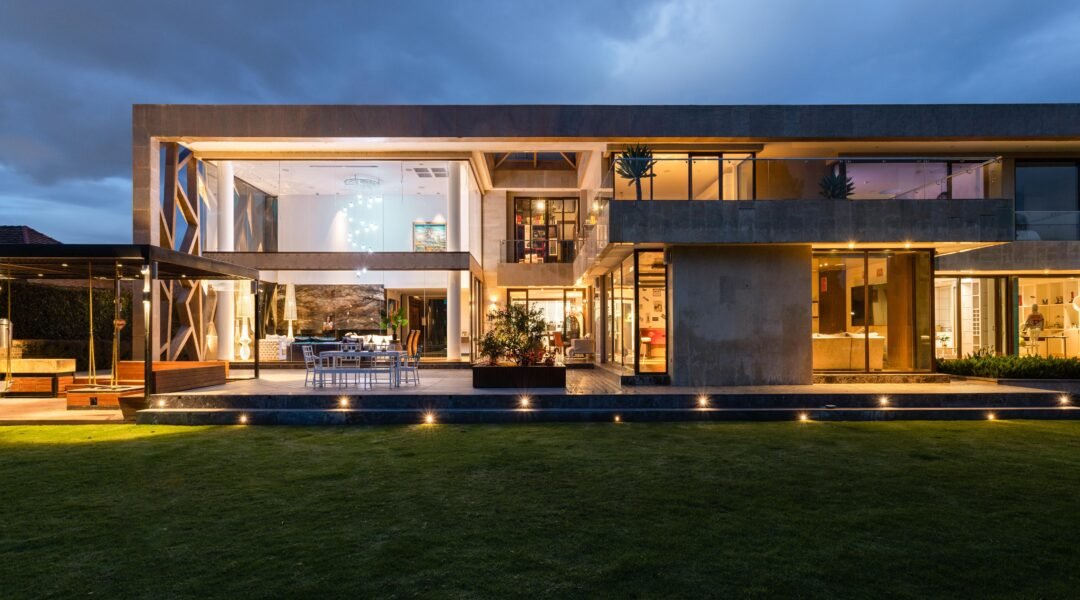
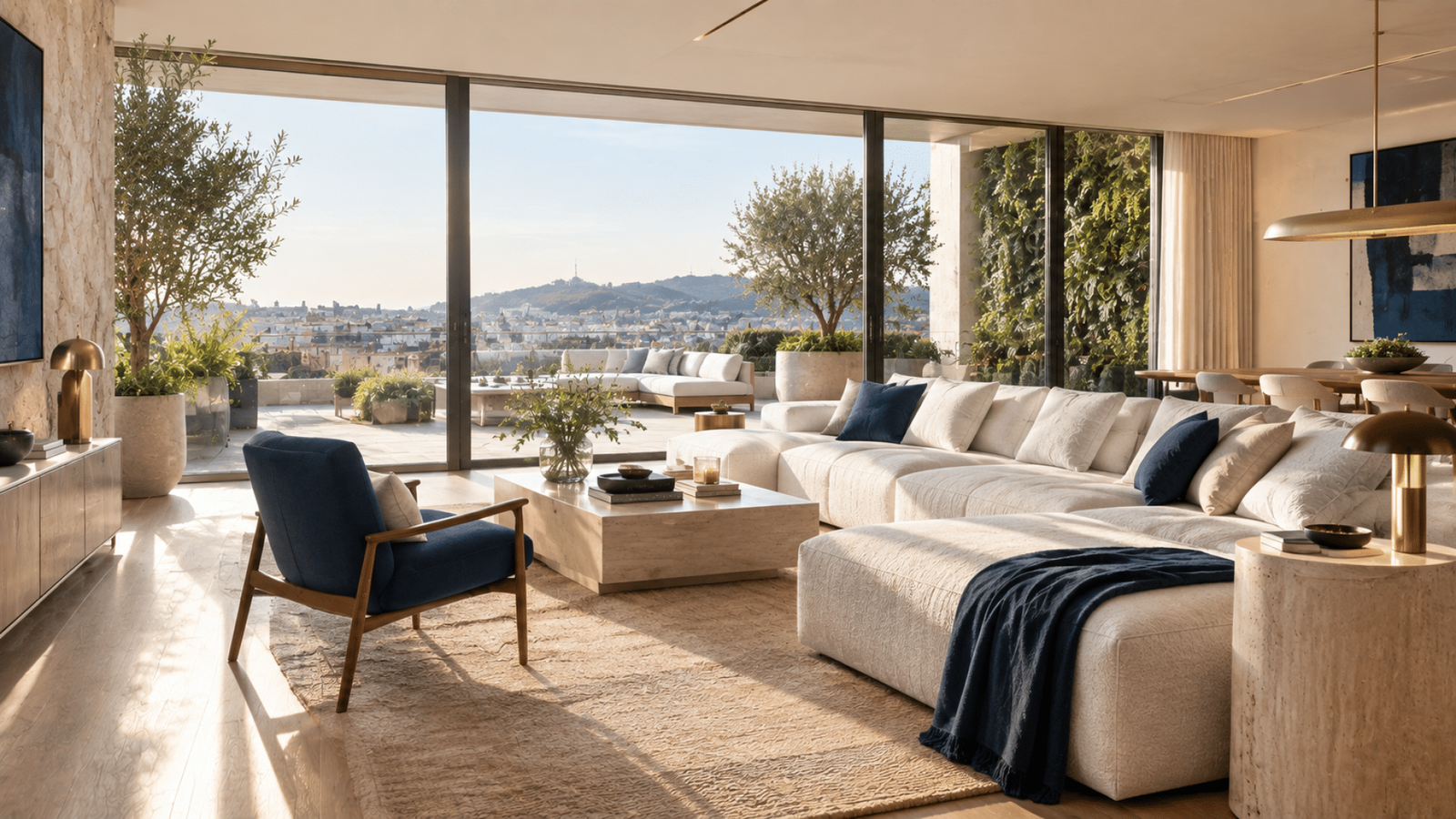
- Natural light. It’s brought into the home through large windows and skylights that let in natural light throughout the day. This helps improve the comfort and health of the people living in high-end homes, as well as creating a sense of spaciousness. In spaces where natural light isn’t possible, lighting systems can be used to mimic how it behaves, changing colour and intensity through the day and across the seasons.
- Plants and green walls. There are many ways to bring the plant world into a prime home: vertical gardens, large plants or small indoor gardens are all examples that bring fresh air to buildings and rooms. Plants and greenery are no longer merely decorative; they’ve become an essential element for purifying the air and improving quality of life in luxury homes. Vegetation triggers the release of endorphins, lifting our mood, reducing stress, and helping us concentrate better and be more productive.
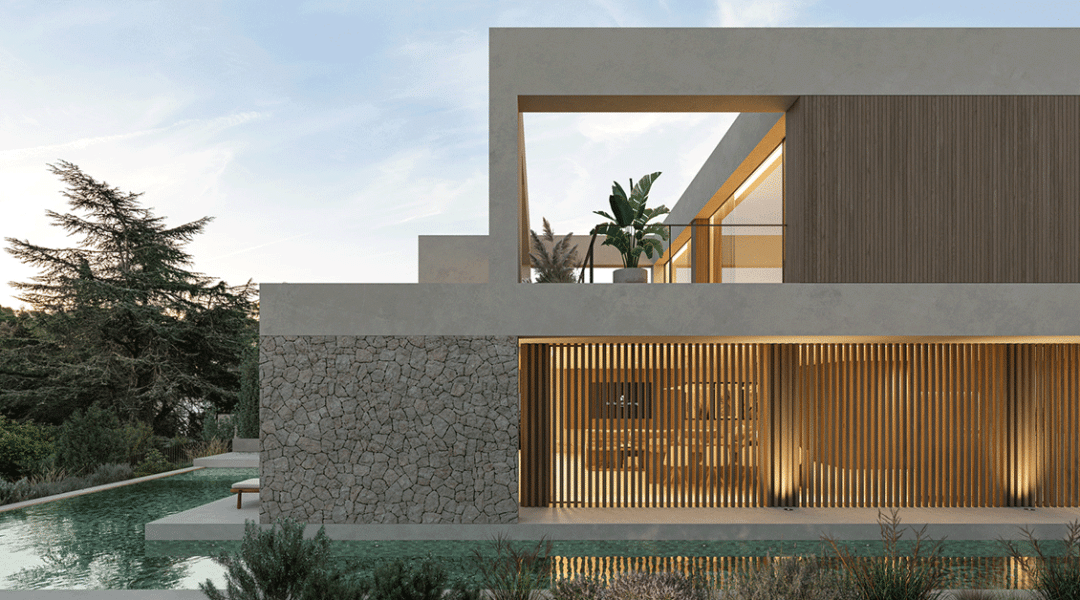
- The use of natural materials. Luxury homes built around biophilic design use elements such as natural wood and marble (travertine or calacatta, for example), as well as stone or textiles like linen. These are elements that, besides being durable, are also sustainable.
- Curved, soft shapes. In the natural world, soft shapes and patterns create a relaxing atmosphere, and this is also used in homes with biophilic design to build calming spaces. The idea is for our brain to recognise the same patterns in interior design that exist in nature — the shape of a honeycomb, for instance, can be reproduced.
- Moving water. If we think of a sound that always relaxes us, water usually comes to mind, which is why it’s a key element in biophilic design, through fountains, water features, aquariums, ponds or waterfalls. In high-end homes, water is integrated using systems that ensure low consumption and easy maintenance.
In the luxury residential sector, things go further than the biophilic design elements we’ve covered — fine materials, flawless finishes or spacious rooms are no longer enough. It’s necessary to create spaces that build a real connection with nature without giving up luxury.
In high-end properties, biophilic design is a differentiating factor that makes a property more appealing and turns a prime home into a true haven for the people who live in it. In other words, luxury is no longer about ostentation; it’s something less visible — a sense of security and comfort provided by spaces connected to nature.
What benefits does biophilic design bring to premium homes?
The biophilic designs found in luxury homes create a connection between nature and people, bringing benefits such as:
- Boosting sustainability. Natural, recyclable materials are used, respecting the natural environment — for example, wood sourced from sustainably managed forests.
- Protecting health. The use of non-polluting natural materials, natural light, and natural elements such as plants, fountains, gardens or vegetation, bring calm and help combat stress and anxiety.
- Increasing the value of the luxury property. A luxury home that incorporates biophilic design elements increases its market value and attracts potential buyers who care about sustainability and health at home.
Biophilic design and its technical side
Beyond the more visible elements of biophilic design we’ve covered, there are others that go unseen but still contribute to sustainability, thermal and acoustic comfort, and optimal air quality. These include:
- Mechanical ventilation systems. These systems focus on maintaining optimal air quality and high thermal efficiency, helping to protect people’s health. They usually come with sensors that assess air quality and CO2 or humidity levels, correcting them automatically.
- Home automation systems. A single app on your phone controls most of a home’s basic needs — turning underfloor heating or mechanical ventilation on and off, blinds, lights, vents, the alarm or the video intercom.
- Underfloor heating. The most efficient and sustainable heating system there is. It creates no draughts, doesn’t dry out the air, and takes up almost no space, protecting health and making better use of the available space. It also spreads heat evenly from the floor and runs completely silently.
- Acoustic insulation systems. A home’s sense of calm often comes down to acoustic comfort, which is why noise-insulation systems matter — sound-absorbing acoustic panels, for instance, or even textiles and paints specially designed to reduce noise.
Building or renovating a luxury home with biophilic design in mind calls for a combination of professionals from different fields: architecture, interior design, botany, technology, the installation of various sustainable systems, and construction.
One thing should be clear: building or renovating a luxury home doesn’t mean giving up elegance or luxury — it means embracing a feeling of peace and harmony with nature, built right into the home.